
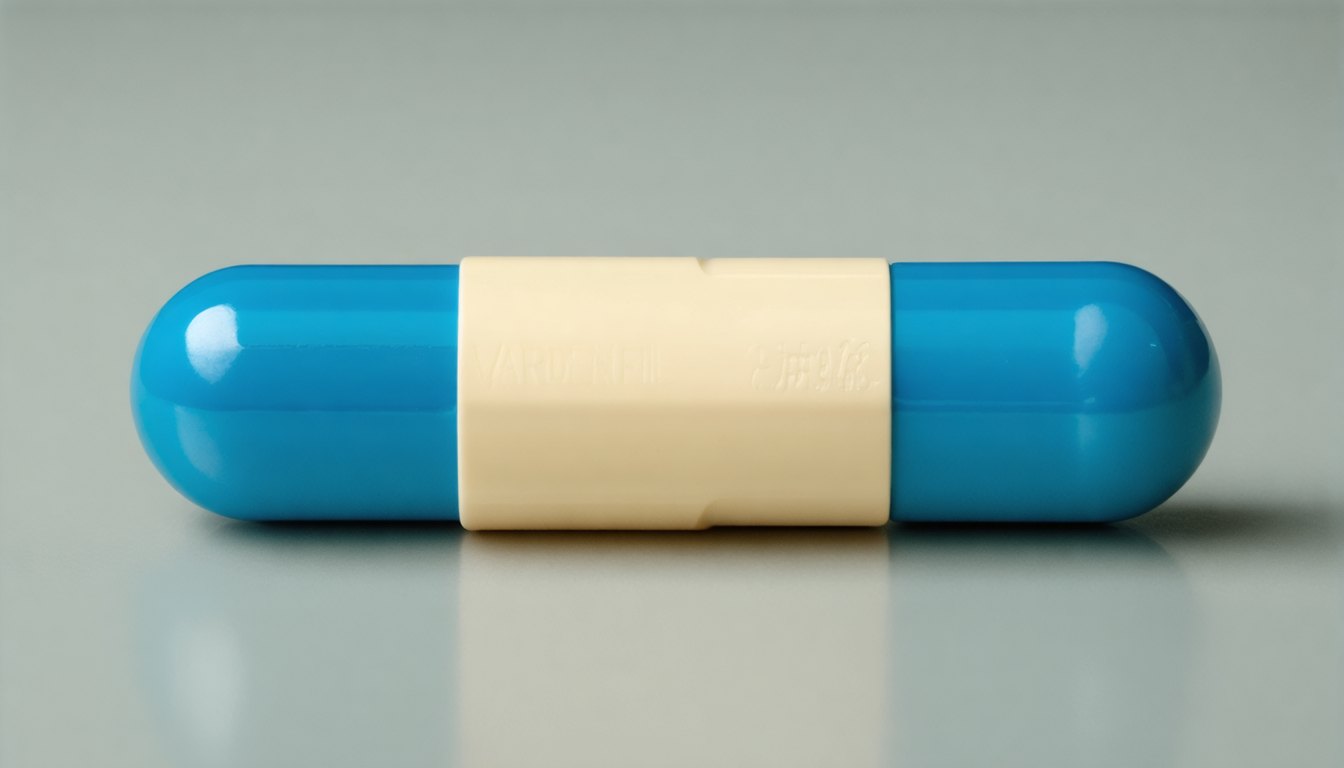
Vardenafil — answers to the main questions
Disclaimer: This article is for informational purposes only and does not replace professional medical advice. Always consult a qualified healthcare provider before starting or changing any medication.
Frequently asked questions
What is vardenafil?
Vardenafil is a prescription medication used to treat erectile dysfunction (ED) in adult men. It belongs to a class of drugs called phosphodiesterase type 5 (PDE5) inhibitors. It works by improving blood flow to the penis during sexual stimulation.
How does vardenafil work?
It enhances the natural response to sexual stimulation by relaxing smooth muscle and increasing blood flow in penile tissues. It does not cause an erection on its own — sexual arousal is still required. Its effect typically begins within 30–60 minutes.
What is erectile dysfunction and why does it happen?
Erectile dysfunction is the persistent inability to achieve or maintain an erection sufficient for sexual activity. Causes may include cardiovascular disease, diabetes, stress, anxiety, hormonal imbalance, certain medications, smoking, and alcohol use.
How do I know if vardenafil is right for me?
You may be a candidate if you have ongoing difficulty with erections and no contraindications to PDE5 inhibitors. A healthcare provider will assess your medical history, current medications, and cardiovascular risk before prescribing it.
How is vardenafil different from other ED medications?
Like sildenafil and tadalafil, vardenafil is a PDE5 inhibitor. It may differ in onset time, duration of action, and side effect profile. Some patients respond better to one medication over another.
How long does vardenafil last?
The effects typically last up to 4–6 hours. This does not mean a continuous erection, but rather an improved ability to achieve an erection when sexually stimulated during that time frame.
What are the common side effects?
Common side effects include headache, flushing, nasal congestion, dizziness, and indigestion. These are usually mild and temporary. If side effects persist or worsen, consult a healthcare provider.
Are there serious risks or dangers?
Rare but serious risks include sudden vision or hearing loss, chest pain, and priapism (an erection lasting more than 4 hours). Immediate medical attention is required in these situations. Men taking nitrates should not use this medication due to the risk of dangerous blood pressure drops.
Can I take vardenafil with other medications?
It may interact with nitrates, alpha-blockers, certain antifungals, antibiotics, and HIV medications. Always inform your doctor about all prescription, over-the-counter drugs, and supplements you take.
Is it safe for people with heart disease?
Men with stable cardiovascular disease may use it under medical supervision. However, those advised to avoid sexual activity due to heart conditions should not use ED medications until cleared by a cardiologist.
Can lifestyle changes improve erectile dysfunction?
Yes. Weight management, physical activity, smoking cessation, limiting alcohol, and stress reduction can significantly improve erectile function. Learn more in our Health & Lifestyle section.
When should I see a doctor about erectile dysfunction?
If ED persists for more than a few weeks, occurs frequently, or is accompanied by other symptoms such as chest pain or hormonal changes, medical evaluation is recommended. ED can be an early sign of cardiovascular disease.
Detailed breakdown
1. Mechanism of action and pharmacology
Vardenafil selectively inhibits PDE5, an enzyme that breaks down cyclic guanosine monophosphate (cGMP). By blocking PDE5, the medication enhances nitric oxide–mediated vasodilation in penile tissue. This facilitates improved blood flow during sexual stimulation.
The drug is usually taken before anticipated sexual activity. Food, especially high-fat meals, may slightly delay absorption. It is metabolized primarily in the liver.
2. Indications and patient selection
The primary indication is erectile dysfunction in adult men. Before prescribing, clinicians evaluate cardiovascular status, hormonal balance, psychological factors, and underlying medical conditions such as diabetes or hypertension.
In some cases, ED may reflect broader metabolic or vascular issues. For related insights, see our Men’s Health articles.
3. Safety profile and contraindications
Vardenafil is contraindicated in patients using nitrates (e.g., nitroglycerin) due to the risk of severe hypotension. Caution is required in individuals with liver impairment, recent stroke or heart attack, arrhythmias, or congenital QT prolongation.
Alcohol may increase the likelihood of side effects such as dizziness or low blood pressure. Patients should also disclose use of recreational substances.
| Symptom / Situation | Urgency Level | Where to Seek Help |
|---|---|---|
| Mild headache or flushing | Low | Monitor; consult primary care if persistent |
| Dizziness or fainting | Moderate | Contact doctor promptly |
| Chest pain during sexual activity | High | Emergency services immediately |
| Erection lasting more than 4 hours (priapism) | Emergency | Emergency department immediately |
| Sudden vision or hearing loss | Emergency | Emergency medical care |
4. Psychological and relationship factors
Not all erectile difficulties are purely physical. Stress, depression, performance anxiety, and relationship issues can contribute significantly. Counseling or sex therapy may be beneficial, alone or alongside medication.
You may explore more educational materials in our Medical Education section.
5. Prevention and long-term outlook
Addressing underlying health conditions improves long-term outcomes. Cardiovascular risk management, blood sugar control, and healthy lifestyle habits can enhance erectile function and overall well-being.
Early evaluation is important because ED can precede coronary artery disease by several years.
Checklist: what you can do today
- Schedule a medical consultation if ED is persistent.
- Prepare a list of all medications and supplements you take.
- Monitor blood pressure and blood sugar if applicable.
- Adopt regular physical activity (as approved by your doctor).
- Reduce smoking and limit alcohol intake.
- Manage stress through relaxation techniques or counseling.
- Discuss cardiovascular risk with your healthcare provider.
- Follow prescription instructions carefully.
- Seek immediate care for any severe or unusual symptoms.
Sources
- U.S. Food and Drug Administration (FDA) – Drug Safety Communications and Prescribing Information
- European Medicines Agency (EMA) – Assessment Reports for Vardenafil
- American Urological Association (AUA) – Guidelines on Erectile Dysfunction
- National Institute for Health and Care Excellence (NICE) – Erectile Dysfunction Clinical Knowledge Summaries
- National Institutes of Health (NIH) – MedlinePlus Drug Information
- Mayo Clinic – Erectile Dysfunction Overview